Treatable Conditions

Low Back Pain

Lower back pain can be felt anywhere below the ribs and above the legs. The lower back bears most of the body’s weight as it is the connection between the upper and lower body. Lower back pain is one of the most common medical complaints in the UK.
Upper back pain

Middle and upper back pain (thoracic back pain) covers the area running from the base of the neck to the bottom of the ribcage. Although upper back (thoracic spine) pain is not as common as lower back pain, it can cause significant discomfort and pain when it does occur.

Neck pain

Neck pain can occur anywhere in your neck, from the bottom of your head to the top of your shoulders. It can spread to your upper back or arms. It may limit how much you can move your head and neck. Neck pain is common, especially in people older than 50.
Shoulder Pain

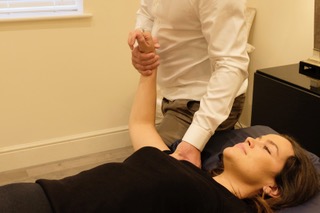
Minor shoulder problems, such as sore muscles and aches and pains, are common. Shoulder problems develop from everyday wear and tear, overuse, or an injury. They can also be caused by the natural process of ageing. Your shoulder joints move every time you move your arms.

Hip Pain

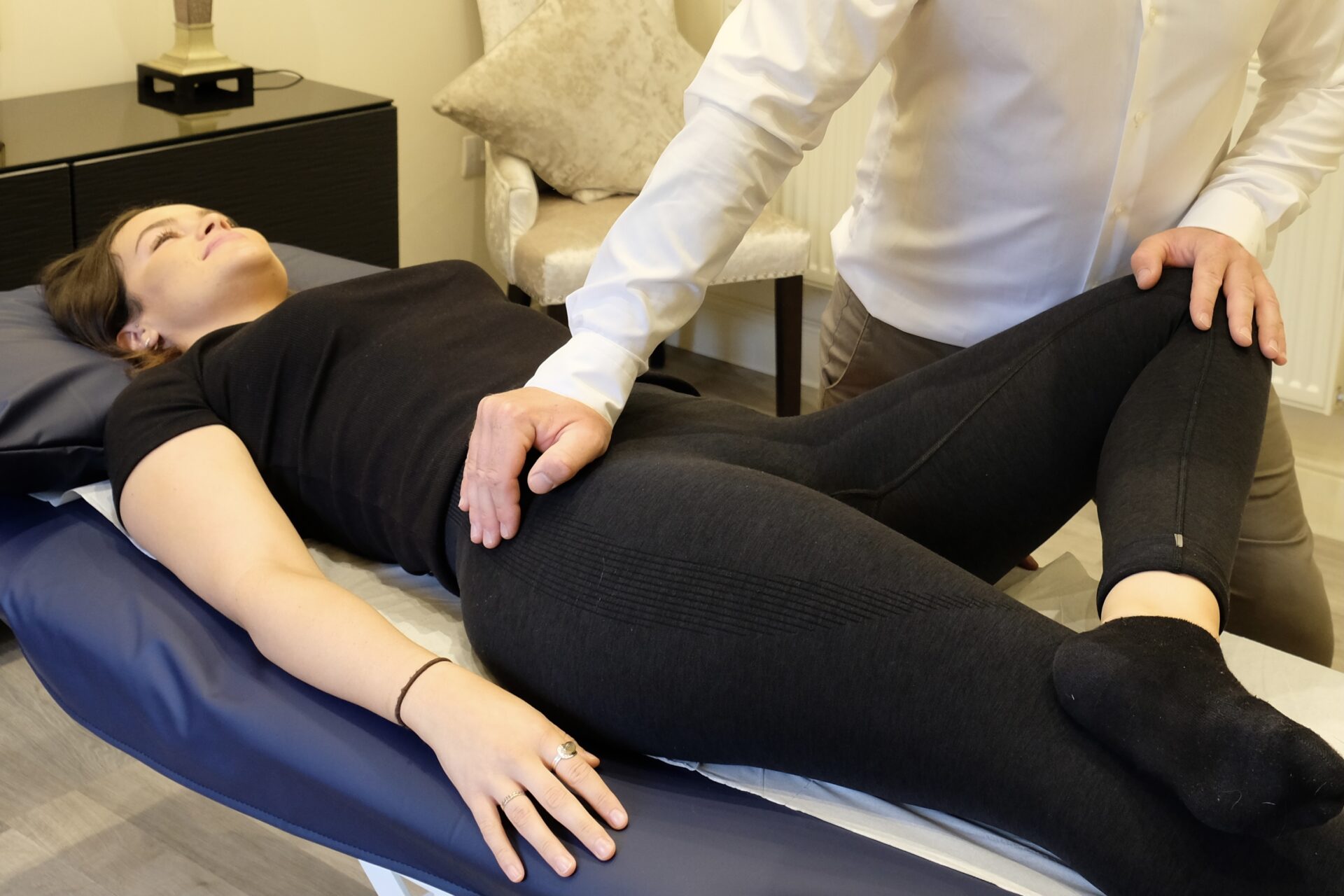
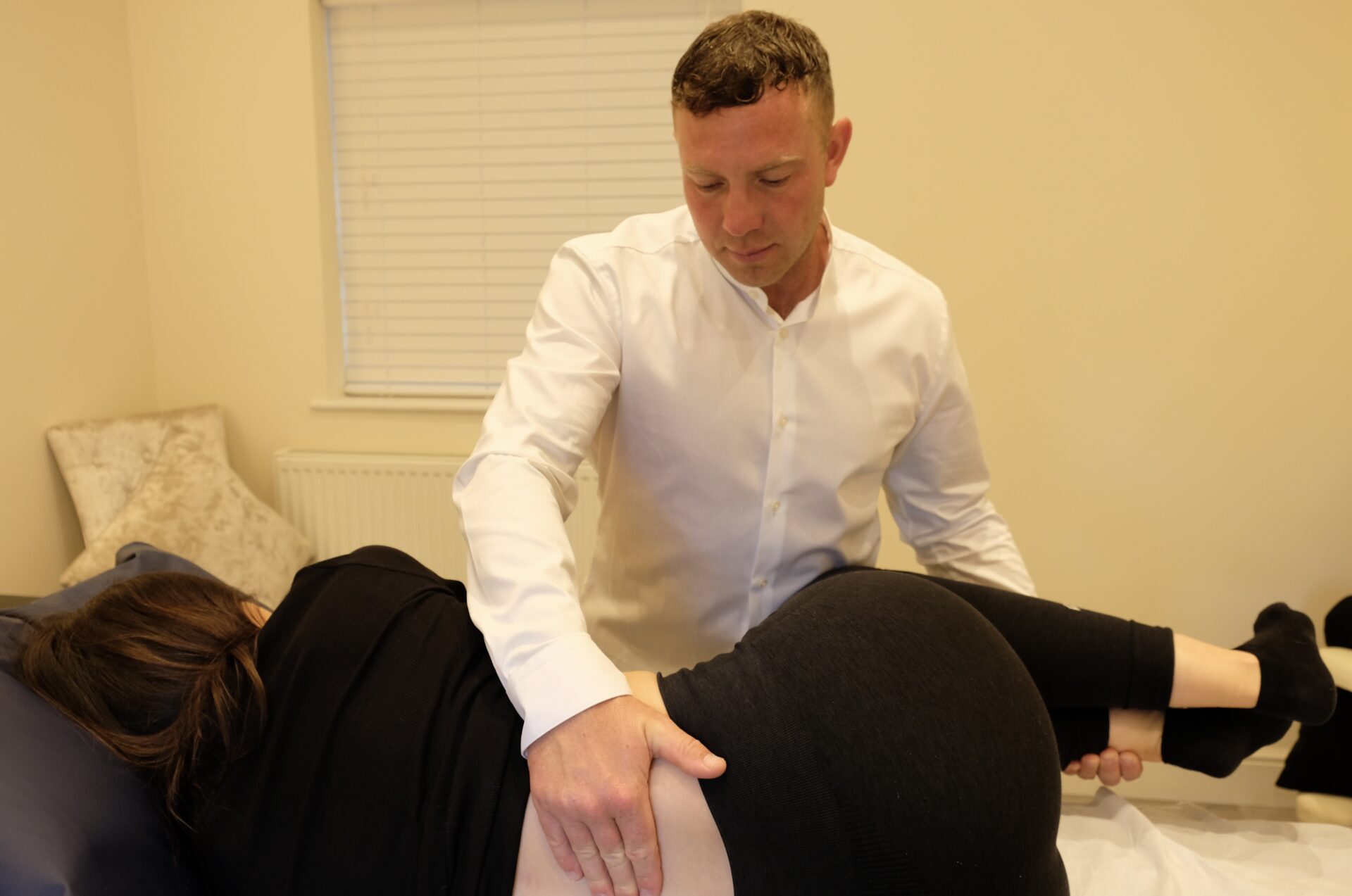
Hip pain can have many causes. Pain is often present after an injury, such as from a fall, blow, or twisting movement. Overuse injuries occur from repeating the same activity. Repeated activity, such as running or cycling long distances, stresses the hip joint and may cause irritation and inflammation.

Groin Pain

You may have had a minor groin problem at one time or another. Symptoms may develop from everyday wear and tear, overuse, or an injury. The groin areas are located on each side of the body in the folds where the abdomen joins the legs. The pubic area lies between the two groin areas.

Sciatica

Sciatica is a common type of pain affecting the sciatic nerve, a large nerve extending from the lower back down the back of each leg. Sciatica is caused by irritation of the root(s) of the lower lumbar and lumbosacral spine.

Neuralgia

The term “Neuralgia” means that you have a nerve somewhere in your body that is irritated, pinched or compressed. A trapped nerve can cause considerable pain, as well as weakness, numbness and other symptoms depending on the spot where the nerve is trapped. Pinched nerves can occur anywhere in the body but more typically occur in the neck, lower back or mid back.

Frozen Shoulder

Frozen shoulder (adhesive capsulitis) is stiffness, pain and limited range of movement in your shoulder that may follow an injury. The joint capsule and tissues around the joint stiffen, scar tissue forms, and shoulder movements become difficult and painful.

Muscular Pain

Myofascial pain (muscular pain) refers to pain and inflammation in the body's soft tissues. Myofascial pain is a condition that affects the fascia (connective tissue that covers the muscles). Myofascial pain syndrome may involve either a single muscle or a muscle group.

Arthritic Pain

A diagnosis of arthritis is the first step toward arthritis treatment. In addition to arthritis symptoms and a doctor's examination, blood tests and X-rays are commonly used to confirm rheumatoid arthritis.

Tennis and Golfers elbow

"Tennis elbow” is a common term for a condition caused by overuse of arm and forearm muscles that results in pain on the outside of the elbow. You don’t have to play tennis to get this. Another common term, "golfer's elbow," refers to the same process occurring on the inside of the elbow.

Carpal Tunnel Syndrome

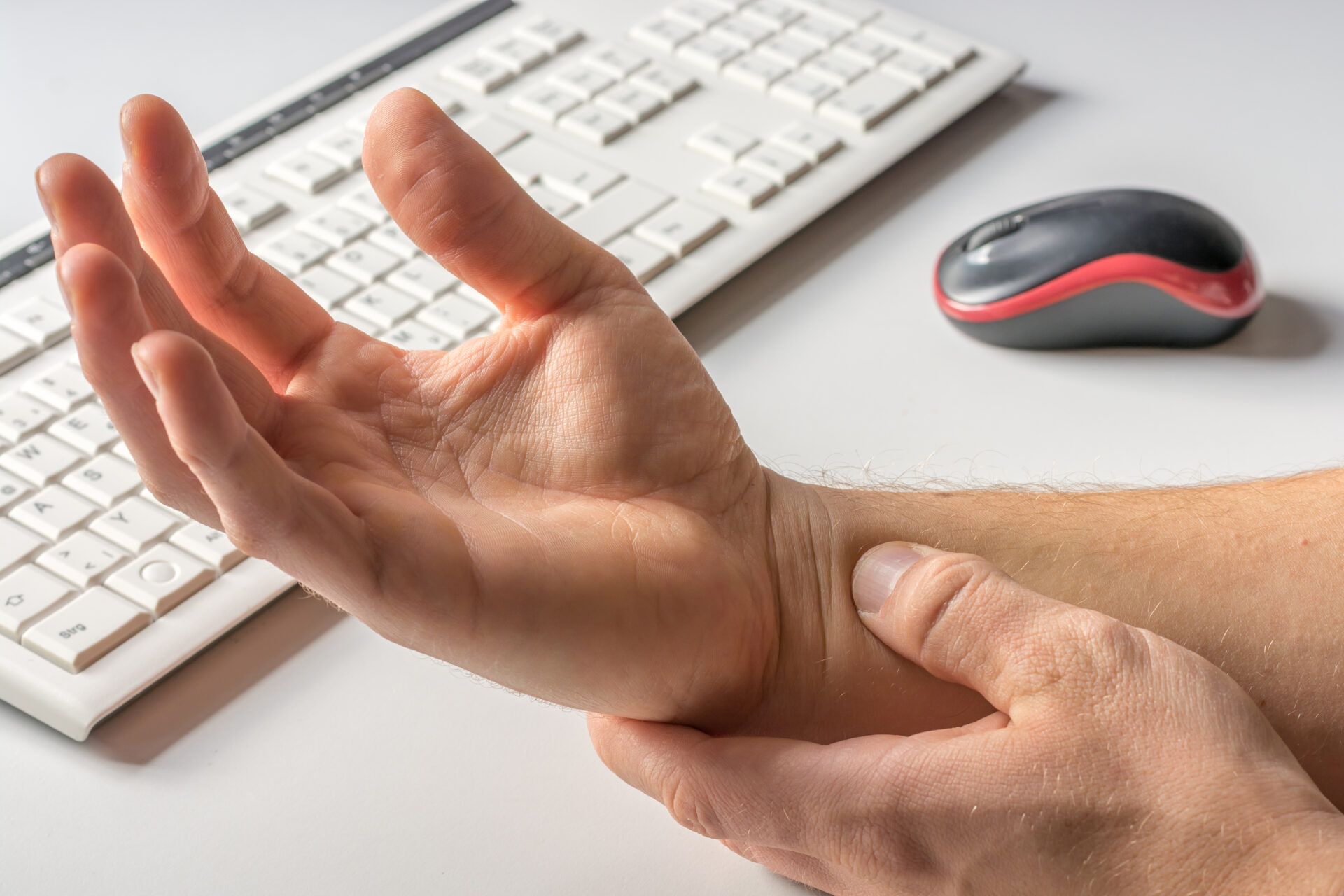
Carpal tunnel syndrome is pain, tingling, and other problems in your hand because of pressure on the median nerve in your wrist. The median nerve and several tendons run from your forearm to your hand through a small space in your wrist called the carpal tunnel. The median nerve controls movement and feeling in your thumb and first three fingers. Pressure on the median nerve causes carpal tunnel syndrome.

Postural strain

In a relaxed state, muscles do not require much blood and the supply of blood matches the muscle’s demands. When the muscles are involved in rhythmic contractions, such as during walking, running or cycling, the blood circulation to the muscles increases and matches the increased demands of the muscles.

Work Related Injuries

Work-related musculoskeletal disorders are a group of painful disorders of muscles, tendons, and nerves. Carpal tunnel syndrome, tendonitis, thoracic outlet syndrome, and tension neck syndrome are examples. Work activities which are frequent and repetitive, or activities with awkward postures cause these disorders which may be painful during work or at rest.

Overuse Injuries

Overuse injuries, otherwise known as cumulative trauma disorders, are described as tissue damage that results from repetitive demand over the course of time. The term refers to a vast array of diagnoses, including occupational, recreational, and habitual activities.

Repetitive Strain Injuries

Repetitive strain injuries are among the most common injuries in the UK. All of these disorders are made worse by the repetitive actions of daily living. Repetitive motion injuries make up over 50% of all athletic-related injuries seen by doctors and result in huge losses in terms of cost to the workforce.

Sports Injuries

"Sports injuries” are injuries that happen when playing sports or exercising. Some are from accidents. Others can result from poor training practices or improper gear. Some people get injured when they are not in proper condition. Not warming up or stretching enough before you play, or exercise can also lead to injuries.